
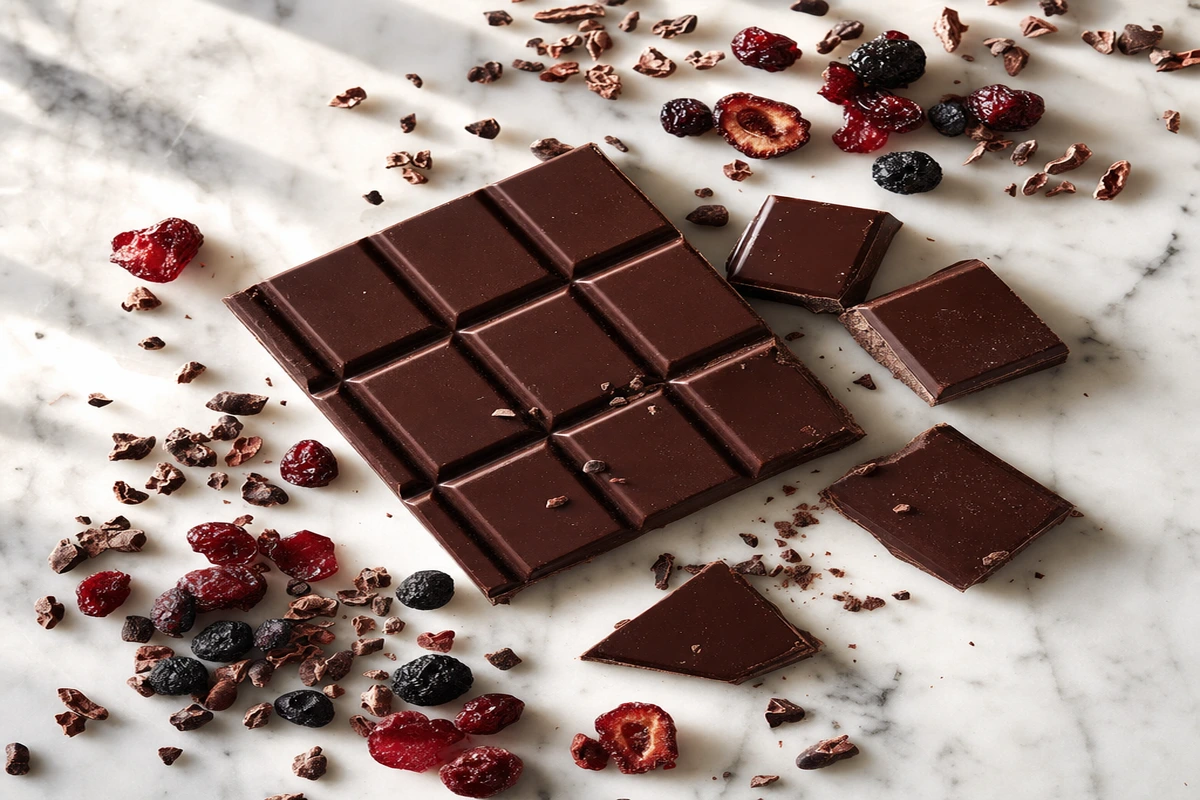
Before you reach for a premium dark chocolate, you might be surprised to learn just how extensively researched this ancient treat has become. Cacao — the raw form of chocolate — was used as currency by the Aztec civilisation and revered for medicinal properties long before modern science took an interest. Today, hundreds of peer-reviewed studies confirm what chocolate lovers have long intuited: quality dark chocolate, consumed in moderation, can be a genuinely beneficial addition to a healthy lifestyle.
The key lies in choosing the right chocolate and understanding why certain compounds in cocoa are so powerful. At Billees Chocolate, our Signature Dark 70% is crafted specifically to preserve the maximum flavanol content from ethically sourced cacao. Here is what the science says about dark chocolate and your health.
Rich in Antioxidants
Dark chocolate is one of the most antioxidant-dense foods on the planet. It contains high concentrations of polyphenols, flavanols, and catechins — a class of antioxidants that neutralise free radicals and reduce oxidative stress in the body.
Research published in the journal Plant Foods for Human Nutrition found that premium dark chocolate demonstrated significantly higher antioxidant activity than many recognised superfoods, including blueberries, acai berries, and pomegranate. A 2011 study from the University of Copenhagen compared chocolate varieties and found that dark chocolate with high cocoa content suppressed free radicals more effectively than antioxidant-rich fruit juices.
Antioxidants matter because oxidative stress is linked to chronic inflammation, ageing, cardiovascular disease, and certain cancers. Incorporating antioxidant-rich foods like dark chocolate into a balanced diet is one strategy for long-term health maintenance.
May Improve Heart Health
Perhaps the most compelling evidence for dark chocolate relates to cardiovascular health. The flavanols in cocoa have been shown to positively influence several risk factors for heart disease.
Specifically, cocoa flavanols can lower blood pressure by promoting the production of nitric oxide, a compound that relaxes and widens blood vessels. They also improve blood flow, reduce LDL cholesterol oxidation (the process that makes cholesterol more harmful), and increase HDL — the "good" cholesterol.
A landmark study published in the Journal of the American Heart Associationfound that participants who consumed dark chocolate five or more times per week had a 57% lower risk of heart disease compared to those who rarely ate it. The European Food Safety Authority has formally approved a health claim that cocoa flavanols in chocolate "help maintain the elasticity of blood vessels" — a statement backed by substantial clinical evidence.
If you are looking to support your cardiovascular health through diet, choosing premium artisan dark chocolate with 70%+ cocoa is a delicious place to start.
Boosts Brain Function
The cardiovascular benefits of flavanols translate directly to brain health, since the brain depends on healthy blood vessels for optimal oxygen and nutrient delivery.
Multiple clinical studies have demonstrated that regular consumption of cocoa flavanols can improve memory, attention span, and processing speed. A 2012 study from Harvard Medical School found that drinking two cups of hot chocolate daily for 30 days improved blood flow to the brain and measurably enhanced cognitive performance on memory and reasoning tasks.
The neuroprotective effects of flavanols may also help guard against age-related cognitive decline. Research published in Nature Neuroscience showed that older adults with impaired cerebral blood flow who consumed high-flavanol cocoa for three months performed significantly better on memory tests — equivalent to reversing about 20–30 years of cognitive ageing in some measures.
For those interested in maintaining sharp mental performance as they age, incorporating flavonoid-rich foods like dark chocolate alongside other brain-healthy foods may be a worthwhile strategy.
Contains Essential Minerals
Quality dark chocolate is a surprising source of important minerals that many Australians do not get enough of in their daily diet. A 100g bar of premium 70–80% dark chocolate provides a meaningful proportion of several key nutrients.
- Iron — Essential for oxygen transport in the blood. A 70% dark chocolate bar can contain around 3.4mg of iron (about 19% of the recommended daily intake), comparable to red meat on a per-weight basis.
- Magnesium — Critical for muscle and nerve function, blood glucose control, and bone health. Dark chocolate is one of the richest dietary sources: a single serving can provide 15–20% of your daily magnesium needs.
- Copper — Important for iron metabolism, immune function, and neurotransmitter synthesis. A 100g bar of dark chocolate can contain 67% of the recommended daily intake of copper.
- Manganese — Involved in enzyme function and bone metabolism. Dark chocolate is an often-overlooked source of this trace mineral.
While no one would eat 100g of dark chocolate solely for its mineral content, moderate consumption as part of a varied diet can meaningfully contribute to micronutrient intake — particularly for those following plant-forward eating patterns.
May Help Control Blood Sugar
Despite its naturally bitter flavour, dark chocolate has a surprisingly low glycemic index (GI). This means it causes a slower, more gradual rise in blood sugar compared to many sweet foods — which is important for energy stability and long-term metabolic health.
The flavanols in cocoa appear to improve insulin sensitivity, meaning your body becomes more effective at using insulin to process glucose. Research published in the Journal of Chocolate Research found that consuming dark chocolate regularly may reduce insulin resistance — a key underlying factor in type 2 diabetes.
This does not mean dark chocolate is a free pass for diabetics — the sugar content in commercial chocolate can still be significant. However, when compared gram-for-gram with other sweet treats, dark chocolate with 70%+ cocoa is a significantly better choice for blood glucose management. The fibre in cocoa also slows sugar absorption.
As always, pair dark chocolate with other low-GI foods as part of a balanced diet for the best metabolic outcomes.
Elevates Mood
There is a well-established physiological basis for the mood-boosting effects of dark chocolate — and it goes beyond the simple pleasure of eating something delicious.
Dark chocolate triggers the release of endorphins — the body's natural painkillers and mood elevators. It also contains phenylethylamine (PEA), a compound naturally produced in the brain that creates feelings of attraction, excitement, and wellbeing. PEA is sometimes called the "love drug" because it is released during moments of romantic intensity.
Additionally, dark chocolate contains tryptophan, an amino acid that serves as a precursor to serotonin — the neurotransmitter responsible for regulating mood, sleep, and anxiety. While the tryptophan content is relatively modest, the combination of all these compounds working simultaneously may explain why so many people reach for chocolate during stressful times.
Clinical note: While dark chocolate is not a treatment for anxiety disorders or depression, the sensory experience of eating high-quality chocolate — the aroma, texture, and flavour — does produce measurable, if temporary, improvements in mood and stress levels.
This mood-enhancing quality is one reason chocolate has held ceremonial and medicinal significance in cultures across Central and South America for thousands of years.
Protects Skin
The same flavonoids that protect your cardiovascular system also benefit your skin. Cocoa flavanols have been shown to protect skin from UV damage, increase skin density, improve hydration, and reduce roughness and scaling.
A double-blind study from the Journal of Nutrition had women consume either high-flavanol or low-flavanol chocolate every day for 12 weeks. The high-flavanol group showed significantly increased skin density and hydration and reduced skin scaling compared to the control group. Blood flow to the skin also improved measurably.
Another study found that participants who consumed chocolate with high flavanol content before UV exposure showed less skin redness and reduced free-radical damage compared to those who consumed low-flavanol chocolate. This does not mean chocolate replaces sunscreen, but it may offer an additional layer of nutritional defence for skin cells.
For those interested in supporting skin health through diet, dark chocolate with 70%+ cocoa is a more evidence-based choice than most commercial skincare supplements marketed for similar purposes.
Choosing the Right Chocolate
Not all dark chocolate is created equal — and this is where most people go wrong when trying to incorporate chocolate into a healthy diet. A chocolate bar from the supermarket checkout aisle loaded with sugar and palm oil will not deliver the benefits described above.
Here is what to look for:
- 70% cocoa or higher — The higher the cocoa percentage, the more flavanols and the less sugar. Aim for at least 70%, and do not be afraid of 80–85%.
- Minimal ingredients — The ingredient list should be short. Ideally: cocoa mass, cocoa butter, and perhaps a small amount of sugar. Avoid chocolate containing palm oil, vegetable oils, soy lecithin (unless as a minor emulsifier), or artificial additives.
- Fair trade or direct trade — This ensures farmers received fair compensation and often correlates with better quality cacao. At Billees, we source through direct relationships with cacao farmers.
- Freshness matters — Cocoa fat (cocoa butter) can go rancid over time. Check the best-before date and buy from producers with good stock turnover.
- Single-origin when possible — Chocolate made from beans sourced from a single region (rather than a blended international mix) often has more distinctive, complex flavour — and tends to be made by producers who care about quality.
When in doubt, visit a specialty chocolatier in Sydney who can guide your selection. The difference between artisan and mass-produced dark chocolate is not subtle.