
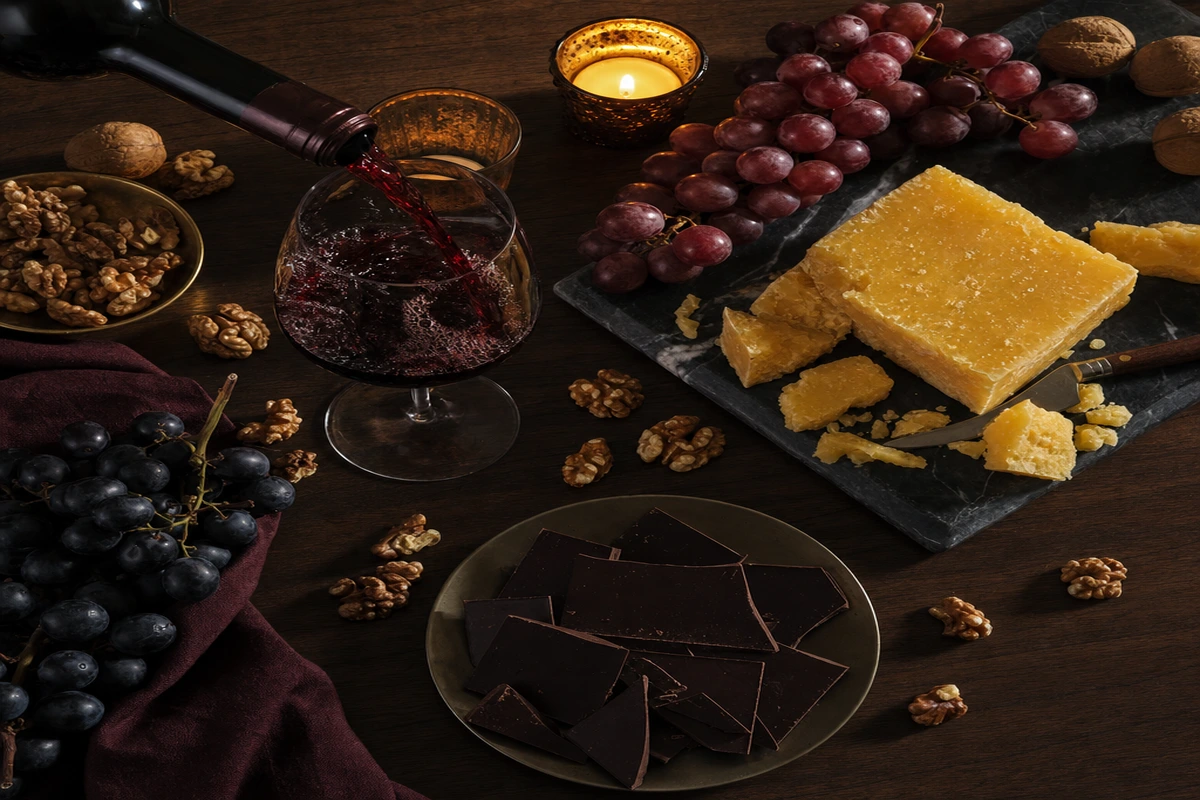
There are few sensory experiences more satisfying than a well-curated tasting of artisan chocolate alongside a glass of fine wine and a selection of complementary cheeses. The interplay of textures, the contrast of flavours, and the way each element can elevate the others — it is a craft that has fascinated me for decades.
At Billees Chocolate, I have spent years developing single-origin chocolate bars with flavour profiles specifically designed to interact expressively with wine tannins and cheese textures. This guide distils everything I have learned about chocolate wine pairing and chocolate and cheese pairing into a practical, comprehensive resource. Whether you are planning an intimate dinner party, a special occasion, or simply want to elevate your afternoon, these principles will help you create memorable tasting experiences.
The Basic Principles of Chocolate Pairing
Before diving into specific pairings, it helps to understand the science and art behind what makes certain combinations work. Chocolate pairing is not about finding a single "right" answer — it is about understanding how flavour compounds interact and then making intentional choices about what you want to experience.
Matching Intensity
The most fundamental principle is matching the intensity of your chocolate with the intensity of your wine or cheese. A delicate, creamy milk chocolate will be completely lost alongside a powerful Barossa Valley Shiraz — the wine will overwhelm it entirely. Conversely, a 90% dark chocolate can overwhelm a light, fruity Pinot Noir, making the wine taste thin and acidic.
The solution is logical: lighter chocolates for lighter wines, and more intensely flavoured chocolates for full-bodied wines. Think of it like a spectrum — white chocolate at one end, high-percentage dark chocolate at the other, with every variation in between finding its natural partner.
Complementing vs Contrasting Flavours
There are two main approaches to pairing: complementing and contrasting. With complementary pairing, you match similar flavour notes — a chocolate with red fruit undertones alongside a Pinot Noir with cherry and strawberry notes, for instance. The flavours reinforce each other.
Contrasting pairing creates tension and excitement by pairing opposing flavours — the saltiness of aged cheese against the bitterness of dark chocolate, or the sweetness of white chocolate against the dryness of Champagne. This approach can be extraordinarily dynamic when executed well.
Why Fat and Tannin Work Together
The interaction between cocoa fat and wine tannins is perhaps the most fascinating aspect of chocolate and wine pairing. Tannins are naturally astringent — they bind to proteins and fats in your mouth, creating that drying, puckering sensation. When you combine tannins with fat, however, the fat coats your palate and softens the astringency.
This is why dark chocolate and red wine are such a natural combination: the fat in chocolate binds with the tannins, smoothing out the wine's roughness while simultaneously reducing the chocolate's perceived bitterness. The result is a silkier, more harmonious experience than either component could achieve alone. It is a partnership where both elements are genuinely better together.
Dark Chocolate & Wine Pairings
Dark chocolate — particularly varieties at 70% cocoa and above — is the most versatile and rewarding chocolate for wine pairing. The high cocoa solid content creates a complex flavour profile with enough structure to stand up to bold wines, while the reduced sugar content prevents the pairing from becoming cloying.
70%+ Dark Chocolate with Cabernet Sauvignon
This is the classic pairing for good reason. Cabernet Sauvignon is a full-bodied red wine with pronounced tannins and dark fruit flavours — blackcurrant, plum, and cedar. When paired with 70% dark chocolate, the wine's tannins bind with the cocoa fat, softening the astringency and creating a velvety mouthfeel. The dark fruit notes in the wine amplify any fruit undertones in the chocolate, while the chocolate's slight bitterness balances the wine's natural acidity.
Look for Australian Cabernet Sauvignon from Coonawarra or Margaret River for an exceptional pairing — these regions produce wines with a distinctive eucalyptus and blackcurrant character that pairs expressively with single-origin dark chocolates.
70%+ Dark Chocolate with Shiraz
Australian Shiraz is a wine of remarkable versatility in chocolate pairing. The wine's characteristic spice — white pepper, cinnamon, and clove — creates a fascinating counterpoint to the bitterness of dark chocolate. At higher cocoa percentages (85%+), this pairing becomes even more compelling: the wine's warmth and spice amplify the chocolate's depth, while the cocoa fat smooths out the wine's tannins.
Barossa Valley Shiraz, with its rich, full-bodied character and dark fruit sweetness, is particularly well-suited to pairing with artisan dark chocolates. The key is to choose a chocolate with a cocoa percentage that matches the wine's intensity — neither should dominate.
70%+ Dark Chocolate with Malbec
Malbec is perhaps the most approachable of the full-bodied red wines for chocolate pairing. Its flavour profile — plush plum, blackberry, and violet — is softer and rounder than Cabernet or Shiraz, with more moderate tannins. This makes it an excellent gateway wine for those new to chocolate and wine pairing.
When paired with 70% dark chocolate, Malbec's fruit-forward character shines through without being overshadowed. The chocolate's bitterness provides structure and prevents the pairing from becoming too sweet or one-dimensional. Argentine Malbec from Mendoza pairs particularly well with South American-origin dark chocolates, where the terroir-driven flavour notes can echo across both elements.
70%+ Dark Chocolate with Pinot Noir
Pinot Noir requires more careful pairing than the other reds, but when matched correctly, it can produce transcendent results. Pinot Noir is a lighter-bodied red with silky tannins and delicate flavour notes — red cherry, strawberry, and earthy undertones. It can easily be overwhelmed by very dark chocolate.
The sweet spot is 70% dark chocolate, which has enough intensity to stand up to the wine without crushing its nuance. Burgundy Pinot Noir — particularly from producers focused on elegance over power — pairs beautifully with Tasmanian or New Zealand dark chocolates, where the cooler-climate cacao expresses more delicate, fruity flavour notes.
Milk Chocolate & Wine Pairings
Milk chocolate's higher sugar content and lower cocoa percentage create a sweeter, softer profile that opens different pairing possibilities. The creaminess from milk powder or condensed milk provides a gentler canvas that suits more delicate wines.
Milk Chocolate with Merlot
Merlot is often described as the "approachable" red wine — softer and rounder than Cabernet, with less aggressive tannins and a plumper, juicier fruit character. This makes it an ideal partner for milk chocolate, where neither element needs to fight for dominance.
The chocolate's creaminess softens any remaining tannins in the Merlot, while the wine's gentle fruit notes complement rather than compete with the chocolate's sweetness. Right Bank Bordeaux Merlot or premium Californian Merlot both work well in this pairing.
Milk Chocolate with Pinot Noir
Yes, Pinot Noir returns — but this time with milk chocolate, where the wine's lightness is an asset rather than a challenge. The wine's delicate red fruit notes — cherry, strawberry, raspberry — find natural company in the sweeter, less intense flavour profile of milk chocolate.
This is an excellent entry-level pairing for those who find dark chocolate and red wine too intense. The result is a gentle, pleasant experience where both elements remain accessible and enjoyable.
Milk Chocolate with Sparkling Wine
Sparkling wine — whether Champagne, Prosecco, or Cava — is one of the most versatile partners for milk chocolate. The bubbles act as a palate cleanser, refreshing the mouth between bites and preventing the sweetness of the chocolate from becoming overwhelming.
For a lighter touch, pair milk chocolate with a dry Prosecco or a Brut Nature Champagne. The wine's acidity cuts through the chocolate's richness while the bubbles lift the overall experience. For a more indulgent pairing, try a Demi-Sec Champagne or a sweeter Prosecco with a creamy milk chocolate featuring caramel or hazelnut notes.
Milk Chocolate with Tawny Port
Tawny Port is a fortified wine with remarkable depth — oxidative notes of caramel, nuts, and dried fruit alongside a rich, sweet character. When paired with milk chocolate, the two elements create a decadent, dessert-like experience that is hard to beat.
The chocolate's sweetness matches the Port's natural sugar, while the wine's nuttiness and acidity provide complexity and prevent the pairing from feeling one-dimensional. This is a pairing best saved for the end of a meal or for a dedicated tasting flight.
White Chocolate & Wine Pairings
White chocolate is technically not chocolate at all — it contains cocoa butter but no cocoa solids — which gives it a uniquely creamy, sweet character unlike its dark and milk counterparts. This makes white chocolate a particularly interesting canvas for wine pairing, as it behaves more like a dairy-based dessert than a chocolate.
White Chocolate with Champagne
This is a pairing of exceptional elegance. Champagne and white chocolate share a quality of refined indulgence — both are associated with celebration, luxury, and special occasions. When paired thoughtfully, they create a sensory experience that feels greater than the sum of its parts.
The key to success is matching the Champagne's intensity to the white chocolate's sweetness. A Brut Nature Champagne (minimal dosage, high acidity) pairs beautifully with a high-quality white chocolate featuring vanilla or citrus notes — the wine's precision and the chocolate's creaminess create a stunning contrast. A richer, sweeter Demi-Sec Champagne can handle a white chocolate with more pronounced caramel or toffee notes.
White Chocolate with Prosecco
Italian Prosecco offers a more approachable alternative to Champagne for white chocolate pairing. Its lighter, fruit-forward character — apple, pear, white peach — pairs especially well with white chocolate containing complementary notes of vanilla, cream, or tropical fruit.
The sparkling bubbles do the same palate-cleansing work as Champagne, keeping the pairing fresh and preventing the sweetness from becoming cloying. This is a particularly good choice for a casual tasting or as an introduction to chocolate and wine pairing.
White Chocolate with Light Riesling
For a more unexpected pairing, try a high-quality Australian Riesling with white chocolate. Riesling's characteristic citrus notes — lime, lemon, and grapefruit — alongside its petrol and honey notes create a fascinating counterpoint to creamy white chocolate.
The wine's acidity provides a refreshing contrast to the chocolate's richness, while the honeyed notes in aged Riesling complement the chocolate's sweetness. This is a pairing that rewards curiosity and demonstrates how versatile white chocolate can be.
Chocolate & Cheese: The Overlooked Combination
While wine and chocolate pairing has gained considerable mainstream attention, the combination of chocolate and cheese remains surprisingly underappreciated. This is a oversight worth correcting — the right cheese can elevate dark chocolate in ways that wine cannot, with the protein and fat content of cheese creating a textural and flavour partnership that is entirely unique.
Brie with White Chocolate
Creamy, soft-ripened cheeses like Brie and Camembert offer a remarkable counterpoint to white chocolate. The earthy, mushroomy notes of properly ripened Brie — the white rind is edible and flavourful — create complexity against the chocolate's sweet creaminess.
The key is ripeness: a young, firm Brie will taste bland and offer little resistance to the chocolate. An aged Brie (look for something with a slightly gooey interior and a pronounced aroma) creates a much more interesting pairing. Allow the cheese to come to room temperature before serving — cold cheese will not release its flavour compounds properly.
Aged Cheddar with Dark Chocolate
A mature cheddar — 18 months aged or more — is one of the finest partners for 70% dark chocolate. The cheese's saltiness and crystalline texture provide a textural counterpoint to the chocolate's smoothness, while its complex flavour development over the aging process creates notes — caramel, fruit, toasted nuts — that complement the chocolate's own flavour profile.
The salt in aged cheddar is the secret weapon here. Salt enhances the perception of sweetness while reducing bitterness, meaning a properly salted aged cheddar makes dark chocolate taste sweeter and more complex than it would alone. English territorial cheeses like Montgomery Cheddar or Keen's Cheddar are exceptional choices for this pairing.
Blue Cheese with 85%+ Dark Chocolate
For the boldest palates, this is an extraordinary combination. The intense, pungent flavours of blue cheese — veined with penicillium and characterised by sharp, salty, funky notes — create a stunning contrast with the profound bitterness of high-percentage dark chocolate (85% and above).
The cheese's moisture and creaminess balance the chocolate's intensity, while the chocolate's bitterness provides a counterweight to the cheese's saltiness and funk. The result is a complex, challenging, deeply satisfying experience that neither component could achieve alone. Try a creamy Gorgonzola or Danish Blue with a single-origin 85% dark chocolate for an unforgettable pairing.
Our Tasting Box Recommendation
The best way to explore chocolate, wine, and cheese pairing is through hands-on experience with a curated selection designed to showcase different pairing principles. Rather than purchasing random chocolates and hoping for the best, I recommend building your tasting around intentional choices that demonstrate the full spectrum of possibilities.
Our Signature Collection is curated specifically for this purpose — featuring single-origin chocolate bars with flavour profiles developed to expressively interact with wine tannins and cheese textures. Each bar is labelled with its origin, cocoa percentage, and tasting notes to help you understand why certain pairings work.
For a complete tasting experience, I suggest building a flight that includes:
- Our Signature Dark 70% — the versatile workhorse for Cabernet and Malbec pairing
- Single-Origin Ghana 85% — for Shiraz and bold red wine pairing, or aged cheddar
- Milk Chocolate with Roasted Almond — for Pinot Noir or Merlot
- White Chocolate with Vanilla — for Champagne and sparkling wine
Add a selection of cheeses — a ripe Brie, an aged cheddar, and a wedge of blue cheese — and you have everything you need for an extraordinary tasting evening. Take your time, taste methodically, and note what works for your palate. The best pairing is always the one you enjoy most.
Start Your Tasting Journey
Chocolate, wine, and cheese pairing is a skill that improves with practice. The principles outlined in this guide — matching intensity, understanding complement versus contrast, and appreciating the fat-tannin interaction — provide a foundation, but your own palate is the ultimate guide.
At Billees Chocolate, we are passionate about helping our customers discover the joy of artisan chocolate in all its complexity. Whether you are a seasoned taster or just beginning your journey, our Signature Collection offers a curated selection of bars designed to showcase the full range of chocolate's possibilities.
Ready to explore? Browse our Signature Collection or explore the full Billees range to find the perfect chocolates for your next tasting experience.
Frequently Asked Questions
What wine goes best with dark chocolate?
Full-bodied red wines are the best partners for dark chocolate. Cabernet Sauvignon is the classic pairing — its firm tannins cut through the cocoa fat and create a synergistic bitterness that enhances both the wine and chocolate. Shiraz and Malbec are also excellent choices, with Malbec's plum and berry notes complementing the chocolate's fruit undertones, while Shiraz's peppery spice pairs beautifully with higher-percentage dark chocolates (85%+). Pinot Noir works with moderate dark chocolates (70%) where its lighter body doesn't get overwhelmed.
Does red or white wine pair better with chocolate?
In general, red wine pairs more successfully with chocolate than white wine, because the tannins in red wine create a chemical bond with the cocoa solids and fats. This interaction smooths out the tannins, reduces bitterness, and creates a richer, more harmonious flavour experience. That said, white wine — particularly sparkling varieties like Champagne — can pair wonderfully with white and milk chocolate. The key is matching intensity: lighter chocolates with lighter wines, darker and more intense chocolates with fuller-bodied reds.
What cheese goes with dark chocolate?
Aged, firm cheeses are the ideal partners for dark chocolate. An aged cheddar (18 months or more) provides the saltiness and crystalline texture that contrasts magnificently with 70% dark chocolate. Blue cheese, particularly a creamy Gorgonzola or Danish Blue, creates a stunning flavour contrast with 85%+ dark chocolate — the saltiness and pungency cut through the bitterness and amplify the chocolate's complex notes. For a more approachable pairing, try Brie or Camembert with a 70% dark chocolate: the creaminess of the cheese softens the chocolate's intensity.
Should you eat chocolate before or after wine when tasting?
For a structured tasting, begin with the milder, less intense options and progress toward the more powerful ones. Start with white chocolate, then milk chocolate, then dark chocolate. When tasting wine alongside, sip the wine first to coat your palate, then let the chocolate follow. The wine prepares your taste receptors and the chocolate often tastes better after the wine than before it. Alternatively, taste chocolate first to understand its flavour on its own, then sip the wine to see how it transforms the experience.
Can you pair chocolate with Champagne?
Absolutely — Champagne and chocolate is one of the most elegant pairings you can experience. The key is matching intensity: a lighter, less dosage Champagne (Brut Nature or Extra Brut) pairs beautifully with white chocolate, while a richer, more full-bodied Champagne (Demi-Sec or a vintage Pinot Noir-dominant blend) can stand up to dark chocolate. The bubbles in Champagne act as a palate cleanser, refreshing your mouth between bites and allowing you to fully appreciate both the wine and the chocolate. Prosecco and other sparkling wines follow the same principle.
What is the best chocolate for wine tasting?
For a wine tasting flight, start with 70% dark chocolate — versatile enough to pair with most red wines without overwhelming them. Include a high-percentage dark chocolate (85%+) to challenge and excite more experienced palates. Add a milk chocolate option for those preferring a gentler experience, and do not overlook white chocolate, which opens tastings beautifully with its creamy sweetness. Billees Signature Dark 70% and Single-Origin Ghana 85% are specifically crafted for tasting, with flavour profiles designed to interact expressively with wine tannins.